Joint replacement surgery offers a significant opportunity to reduce pain and improve mobility for those suffering from severe joint damage. However, the surgery itself is only the beginning of the recovery journey. Post-op rehab for joint replacement at Connecticut Physical Therapy Specialists is essential for achieving full functionality and long-term success.
Effective rehabilitation focuses on several critical components, including swelling control, restoring range of motion, building strength, and mastering functional movements. Together, these strategies help ensure that patients regain independence and improve their overall quality of life.
Controlling Swelling After Surgery
Swelling is a natural response to joint replacement surgery, but managing it is critical in the early phases of recovery. Without proper control, excessive swelling can hinder movement, delay healing, and lead to increased discomfort.
In post-op rehab for joint replacement, our physical therapists focus on controlling swelling to make the recovery process smoother and less painful. Techniques such as applying ice, compression, and elevating the joint are common strategies to minimize swelling.
Swelling control helps reduce pressure around the surgical area and improves circulation, allowing the body to heal more efficiently. By addressing swelling early on, patients are better positioned to move forward with other aspects of rehabilitation, such as improving joint mobility and strength.
Restoring Range of Motion
Regaining range of motion is one of the top priorities during the post-op rehab for joint replacement process. After joint replacement surgery, stiffness and limited mobility are common challenges. To restore full functionality, post-op rehab for joint replacement focuses on gradually improving the joint’s ability to move through its full range. Our therapists work closely with patients to ensure steady progress without overloading the new joint.
Range-of-motion exercises are introduced early in the recovery process, allowing the joint to regain flexibility and reducing the risk of long-term stiffness. The goal is to help patients move comfortably, whether bending their knee after knee replacement surgery or rotating their shoulder following a shoulder replacement. Improved range of motion lays the groundwork for a more active lifestyle and prepares patients for the next phase of rehabilitation.
Building Strength
Building strength is another vital aspect of post-op rehab for joint replacement—the muscles surrounding the new joint need to be strong enough to support the joint and provide stability. Muscle weakness can lead to instability, increased pain, and a higher risk of injury or complications. That’s why physical therapists strongly emphasize strengthening exercises as part of the rehabilitation plan.
As the recovery progresses, strengthening exercises are gradually introduced to help rebuild muscle mass that may have been lost due to inactivity before surgery or the initial recovery period. These exercises target key muscle groups around the replaced joint to enhance joint stability and overall function. Strengthening the muscles also helps to reduce the workload on the joint itself, making everyday tasks easier and more comfortable. Over time, patients can expect significant improvements in their ability to move confidently and less discomfort.
Functional Movements for a Full Recovery
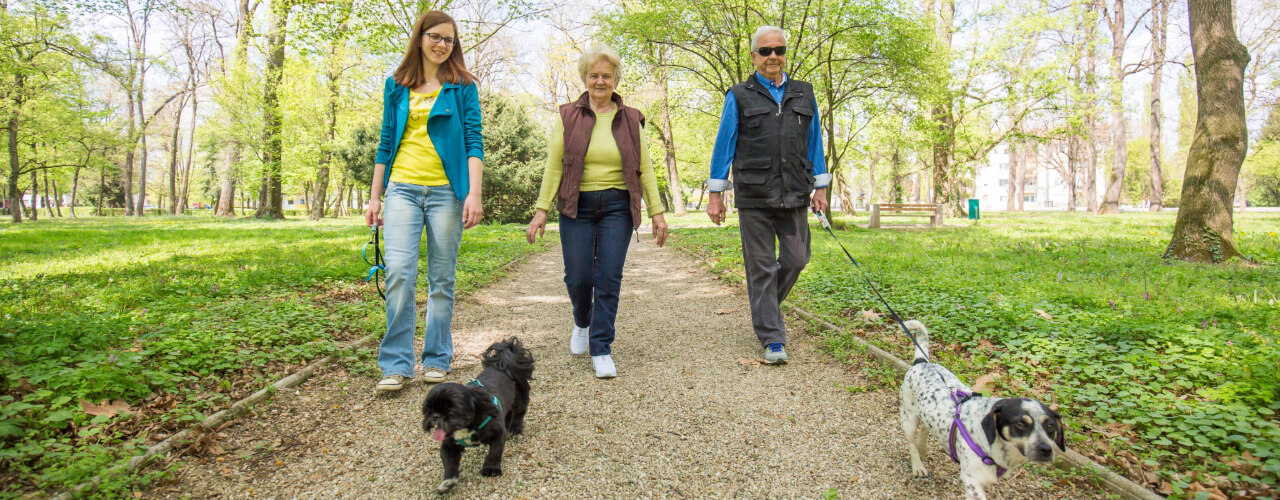
Beyond reducing swelling and restoring mobility and strength, functional movements play a critical role in post-op rehab for joint replacement. Functional movements mimic the daily activities patients need to perform, such as walking, reaching, lifting, or climbing stairs. The goal is to reintegrate patients back into their everyday routines safely and efficiently.
Our therapists design individualized programs that include exercises aimed at improving balance, coordination, and overall mobility. By focusing on functional movements, patients learn how to use their new joint effectively in real-life situations. This is crucial not only for regaining independence but also for preventing future injuries. Functional training ensures that patients can confidently return to normal activities, whether taking a walk, returning to work, or enjoying recreational hobbies.
Commit to a Comprehensive Recovery with Connecticut Physical Therapy Specialists
If you’ve recently undergone joint replacement surgery or are planning to, the expert team at Connecticut Physical Therapy Specialists is here to guide you through every step of your post-op rehab for joint replacement. With personalized care and professional support, you can recover faster, reduce pain, and return to the activities you love. Contact us today to begin your journey to better joint health!