Core strength training is an important part of physical therapy. The muscles in your core help in anchoring your center of gravity, which gives you the ability to balance yourself. Whether you’re sitting, standing, or running, your core muscles play an integral role in keeping you balanced.
A weak core can cause you to feel unsteady and imbalanced. Fortunately, physical therapy can help strengthen your core and, as a result, improve your balance.
Are you looking for a way to enhance your balance? If so, contact us today to find out how our core strengthening services can benefit you.
How is balance related to my core?
As your core becomes stronger, you will be able to steady your balance much easier. When muscles are weak, it is more difficult to balance yourself from your center of gravity. This increases your risk for falls, and it can affect your arm and upper body movements. Back pain, difficulty in standing up from a seated position, and incontinence may also indicate an unstable core.
Before you can work on strengthening your core, it is important to understand where your core muscles are located.
There are two types of core muscles: the inner core and the outer core. Most people believe that when you’re working on your core, you’re just doing abs, but your core muscles are more than just abs.
Core stability has to do with the inner core muscles. These muscles are stabilizing for the spine. Core strength relates to the outer core muscles, and when properly formed, works to help you move about with ease.
The inner core muscles are attached to the spine. These are the muscles that balance the core and hold it in the correct place. The outer core muscles work together with the inner core muscles when you need to rotate your body to perform much of everyday physical activities.
Your body has three systems that help regulate and sustain your balance. The first one is the vestibular system, which is responsible for giving your brain the necessary information it needs about how we move, our head position, motor functions, etc.
The liquid in your inner ear functions as part of this system, sort of like a “carpenter’s balance” to keep you level. If you’ve ever found yourself feeling off-kilter or dizzy, it means that the liquid in the vestibular system is off a bit.
The second balancing system is your visual system. Your eyes send informational signals to your brain regarding your position in relevance to the world around you. The third balancing system is the proprioceptive system, which deals with your core and the muscles in that area.
Your proprioceptive nerves are sensory nerves located all over your body. They make you aware of your posture, as well as aware of where you are positioned compared to things surrounding you.
In order to stay properly balanced, all three of these systems need to be in equilibrium. A weak core is one element that can not only throw off this internal equilibrium, but can also make you feel off balance to the point of falling over.
Frequent visits with a licensed physiotherapist may be able to help you train your inner and outer core muscles for improved balance and movement!
How can physical therapy help?
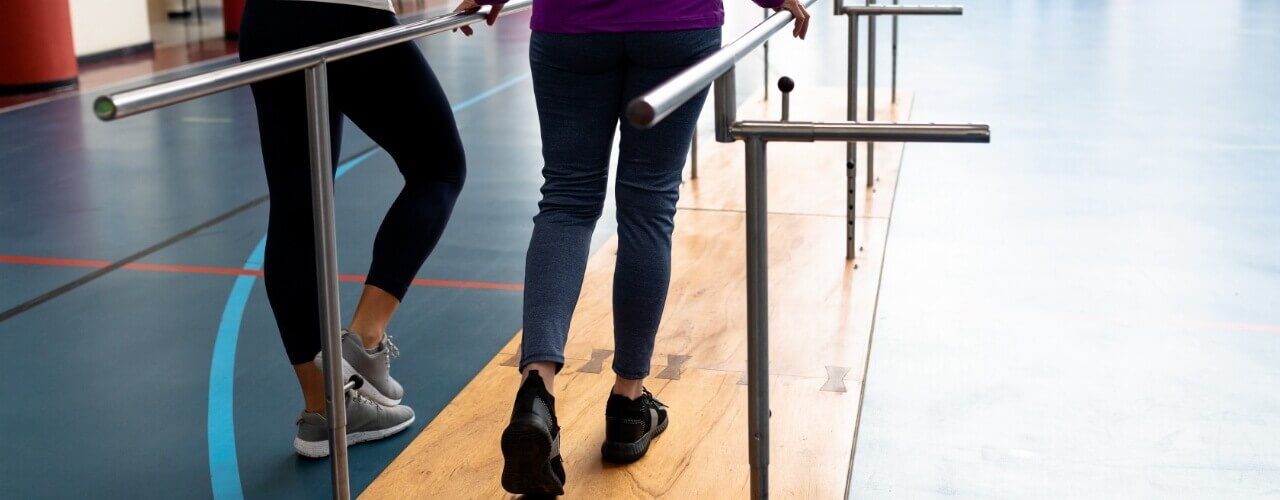
Our physical therapists are highly trained and committed to assisting you in improving your balance by strengthening your core. Your physical therapist will conduct a full assessment to examine your posture, gait, balance, and core muscles when you arrive for your first visit.
This will aid in determining the source of the weakness and will form the basis of your therapy strategy.
Treatment plans will be designed specifically for you and your individual needs. These plans for balance improvement typically include:
- Stability boards. Physical therapy balancing boards come in a variety of shapes and sizes, with a flat top and a curved bottom. Standing on these devices and attempting to keep your balance can help you improve your core balance significantly.
- Gentle exercises. Depending on the severity of your balance impairment, it may be best to start off slow. Your physical therapist may suggest beginning with gentle and safe exercises, such as leg lifts or pelvic tilts. These types of exercises can help strengthen your back, pelvic, and abdominal core muscles.
- Tai chi. Tai chi is a slow-motion form of Chinese martial art. The poses and transitions done within this type of treatment can help your body develop the core muscles it needs in order to retain the necessary stability from one move to the next.
- Abdominal exercises. These may include situps, pushups, and crunches. Abdominal exercises help strengthen the abdominal muscles that work with your core
Are you ready to strengthen your core and improve your balance?
If you’ve been struggling with your balance, the answer could lie in your core. Talking with an experienced physical therapist at Connecticut Physical Therapy Specialists about treatment options could put an end to your confusion and help you get back up on your feet. Call us today to set up an appointment!