Recovering from a motor vehicle accident (MVA) can be a long and challenging journey. For many, pain, stiffness, and mobility issues linger long after the initial trauma. However, with the right guidance, post-MVA recovery can be successfully navigated, allowing you to regain strength and return to normal activities. At Connecticut Physical Therapy Specialists, we help patients recover from car accidents with a structured, step-by-step process tailored to their specific needs.
Step 1: Initial Evaluation and Treatment Plan
When a patient first arrives at Connecticut Physical Therapy Specialists following a motor vehicle accident, the initial focus is on understanding the full scope of their injuries. During the first visit, the physical therapist conducts a thorough evaluation, assessing pain levels, range of motion, and any limitations in mobility.
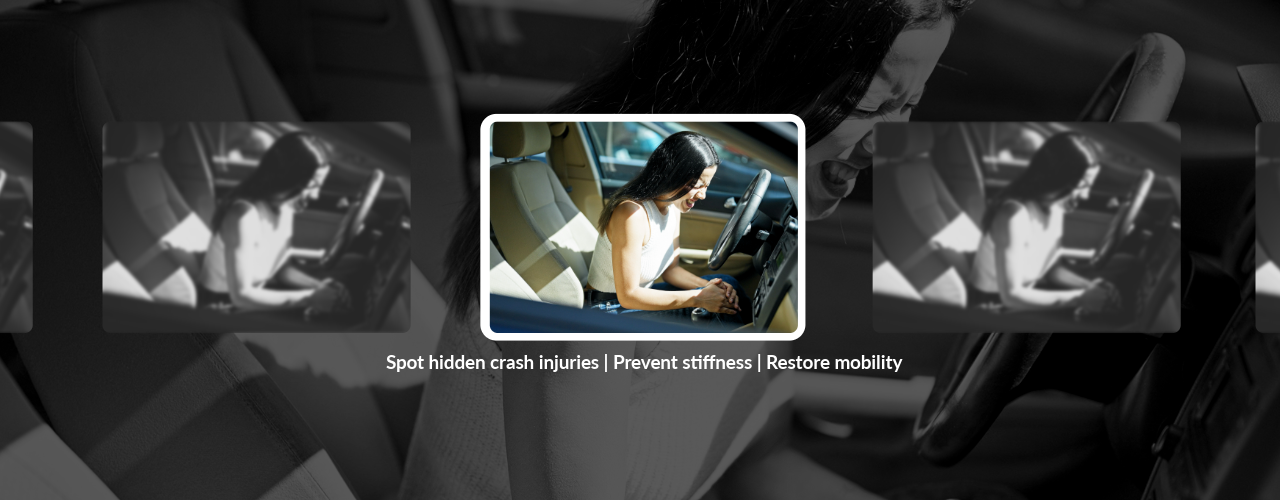
For example, Sarah (not her real name), a patient who came to us after a car accident, was experiencing neck pain, lower back stiffness, and limited ability to rotate her head. During her evaluation, her therapist asked detailed questions about the pain she felt and conducted mobility tests to understand which areas were most affected.
After this assessment, Sarah’s therapist created a personalized treatment plan designed to address her specific needs. The plan included pain management, manual therapy, and exercises to help restore her mobility and strength over time.
Step 2: Early Recovery – Pain Management and Gentle Movement
In the early phase of post-MVA recovery, the primary focus is on managing pain caused by the accident. Sarah’s therapist used manual therapy techniques to ease the muscle tension in her neck and lower back, providing immediate relief.
Along with manual therapy, Sarah began light, gentle movements to start improving her range of motion. These movements helped prevent stiffness and allowed her body to begin healing naturally. Her therapist guided her through stretches and mild exercises that targeted her injured areas without causing additional strain.
The goal during this stage is to reduce discomfort while gradually reintroducing movement to the affected areas. This early intervention helped Sarah regain some comfort in her daily activities and built the foundation for more advanced therapy in the following weeks.
Step 3: Restoring Mobility and Strength
As Sarah’s pain decreased, her post-MVA recovery progressed to the next phase—restoring mobility and building strength. At this stage, her therapist introduced more targeted exercises designed to improve her flexibility and strengthen the muscles supporting her neck and lower back.
Sarah’s sessions now focused on improving her ability to move freely without pain. This included exercises to strengthen her core and upper back muscles to better support her spine and targeted stretches to improve her back and neck’s range of motion.
During this phase, Sarah’s therapist monitored her progress carefully, adjusting her exercises based on her improving strength and mobility. This personalized approach ensured that Sarah continued making steady progress while minimizing re-injury risk.
Step 4: Functional Training and Preparing for Discharge
The final stage of post-MVA recovery is all about functional training and preparing for life after therapy. By now, Sarah had regained much of her strength and mobility, and the focus shifted to improving her ability to perform daily tasks and movements without pain.
Her therapist guided her through functional exercises that simulated real-life activities, like bending, lifting, and turning her head. This stage helped Sarah regain the confidence to perform these movements safely, reducing her fear of triggering more pain or discomfort.
As Sarah neared discharge, her therapist provided her with a home exercise program. This program included exercises designed to maintain her progress in therapy and prevent future injuries. Sarah learned how to integrate these movements into her daily routine, ensuring her recovery would continue even after she completed her sessions at Connecticut Physical Therapy Specialists.
Step 5: Long-Term Success and Life After Therapy
The final step in the post-MVA recovery process is maintaining long-term success. After completing her physical therapy sessions, Sarah continued performing her home exercises, which helped her maintain her mobility and prevent further injury. She felt more confident in her movements, free from the pain and stiffness she had experienced right after the accident.
By following the guidance of her physical therapist and continuing to practice the exercises at home, Sarah was able to return to her normal routine, pain-free, and with a better understanding of how to care for her body. Her commitment to her recovery ensured lasting results beyond her time in therapy.
If you’ve been injured in a car accident, post-MVA recovery can be a difficult journey, but physical therapy at Connecticut Physical Therapy Specialists can help you navigate the process with personalized care and expert guidance. Contact us today to start your path to recovery and regain control of your life!