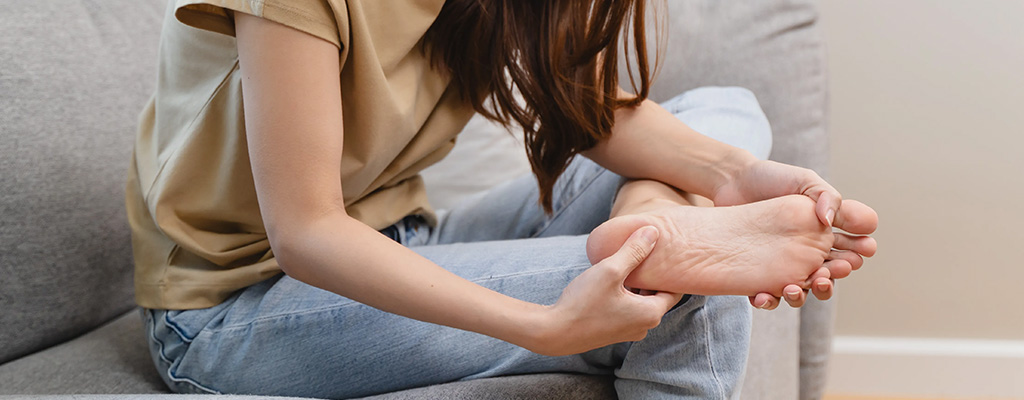
Ease Your Headache the Natural Way: Discover How Physical Therapy Can Help!
Did you know that physical therapy can be a game-changer for those suffering from cervicogenic headaches? Yes, those nagging headaches that start in your neck and creep up into your head can be eased with the help of our physical therapists!
Cervicogenic headaches come from problems in your neck, and that’s where our physical therapist steps in. We’ll get to the root cause, whether it’s tight muscles, stiff neck joints, or the way you sit or stand.
Once they know the cause, our therapists use hands-on techniques to loosen up those tight spots and get your neck moving better. They might use gentle stretching, massage, or special exercises. It’s not just about easing the pain right now; it’s about teaching your body to move in ways that keep the pain from coming back.
At Connecticut Physical Therapy Specialists, our physical therapy programs aren’t just about fixing injuries; it’s about helping your body work its best. For those who didn’t know, physical therapists can definitely help with headaches. So, if you’re tired of those headaches, give our physical therapists a try. It could be just what you need to feel better and get back to enjoying life headache-free.
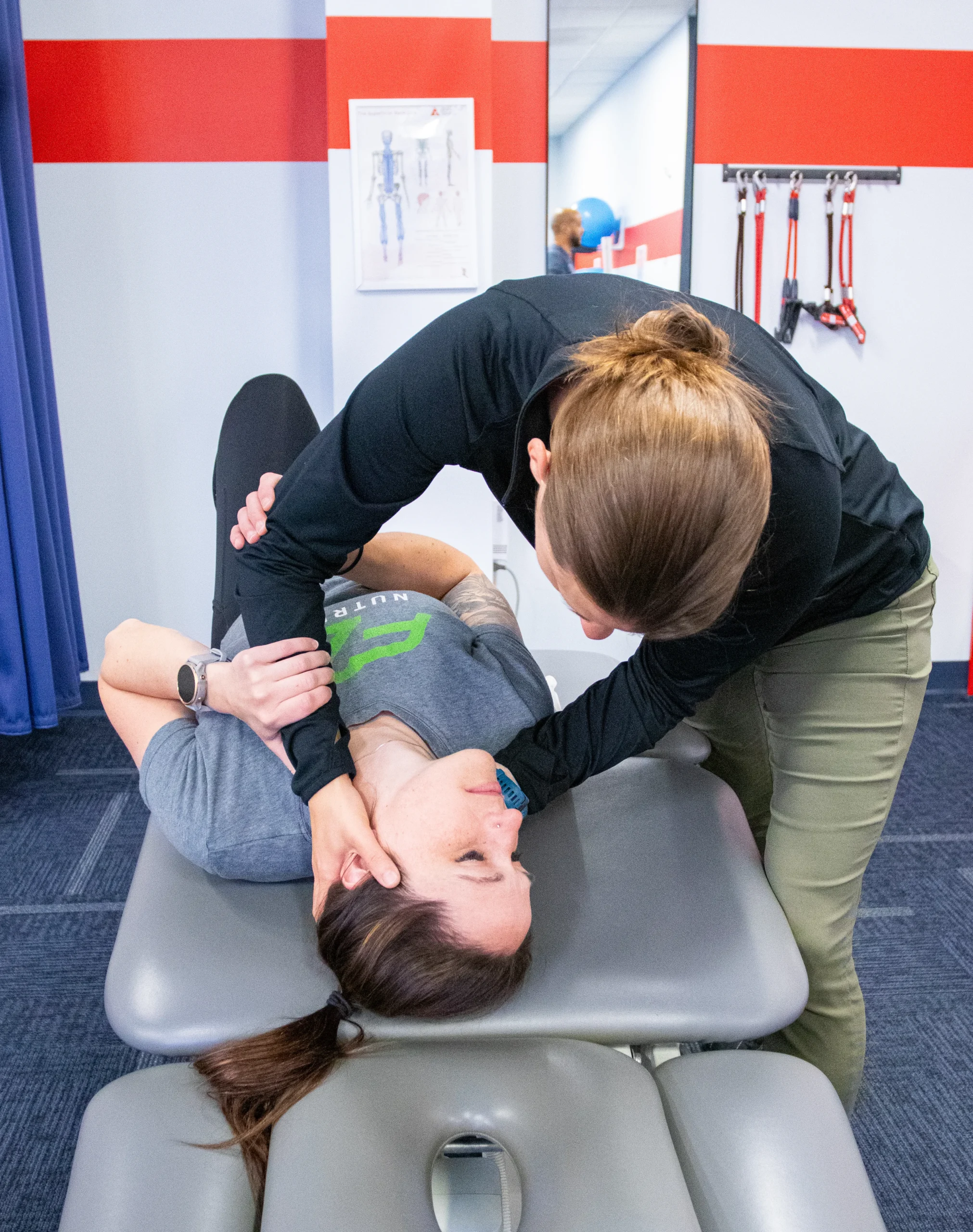

Staff Spotlight: Laura Frechette
Laura graduated from the University of Connecticut in 2017 with a Bachelor’s in Exercise Science. She went on to earn her Doctorate in Physical Therapy at the University of Connecticut in 2020. She currently advances her training through the Manual Therapy Institute. Outside of work, Laura is a runner, audio-book enthusiast, painter, and loves to spend quality time with her family.
Our Patients Get Great Results
“Michael is an exceptional physical therapist. He is outstanding at targeting very specific treatment and exercises to strengthen areas in need of healing. He uses a very individualized approach in addressing one’s needs. The exercises he recommends to do at home may seem like slight movements but produce amazing results. I travel from Woodbury CT to Granby CT (which is about an hour and 15 minute drive) for therapy with him because I have never found any better at what they do. I highly recommend him.” – S.M.
Neck Pain to Headache: Uncovering the Causes and Signs of Cervicogenic Headaches
Cervicogenic headaches are common headaches that originate in the neck and are triggered by neck problems. Common culprits include:
- Poor posture
- Neck injuries like whiplash
- Wear and tear in the neck joints due to age
You’re at a higher risk if you spend hours hunched over a computer or smartphone. Sports that jolt the neck, like football or even a minor car accident, can set the stage for these headaches.
Unlike migraines that often come with nausea or light sensitivity, cervicogenic headaches usually start with neck pain. This pain then travels up to the back of your head, sometimes reaching the forehead or area around the eyes. It’s typically felt on one side and can be triggered by certain neck movements or positions. Stiffness in the neck, pain when pressing on certain spots in the neck or base of the skull, and sometimes a reduced range of motion in the neck are tell-tale signs.
If you’re experiencing these symptoms, it’s a sign that your neck might be the culprit. Understanding these causes and symptoms is crucial because treating a cervicogenic headache is different from tackling a migraine or tension headache. It’s all about getting to the root of the problem – in this case, the neck!
Targeting the Source: How Physical Therapy Tackles Cervicogenic Headaches
Physical therapy at Connecticut Physical Therapy Specialists plays a crucial role in managing cervicogenic headaches. Our approach is particularly effective as it targets the root cause of the pain. Our therapists will start with a comprehensive evaluation, including your medical history, history of headaches, and a thorough physical examination.
Our team will use the most effective treatments to help you resolve your pain and teach you the tools you’ll need to prevent future episodes. Our programs typically include:
- Manual Therapy: This involves hands-on techniques, where the therapist manipulates and mobilizes the neck and shoulder regions. It reduces stiffness, improves range of motion, and decreases pain in cervicogenic headaches.
- Targeted Stretches: These are specific stretching exercises focused on the neck and upper back muscles. They aim to relieve tension and improve mobility in these areas, thus helping to reduce the intensity and frequency of headaches originating from the neck.
- Strengthening Exercises: These exercises focus on building the strength of the neck, shoulder, and upper back muscles. Strengthening these areas can provide better support to the neck, improve posture, and reduce the stress on cervical spine structures.
- Postural Corrections: Postural training involves teaching patients how to maintain proper neck and spine alignment, especially during daily activities.
Our therapy programs also play a vital role in long-term management and help significantly reduce headache frequency and intensity and improve neck function and overall quality of life.
You will notice less stiffness and greater ease in neck movement, along with reducing or eliminating the headaches altogether. The key to maintaining these improvements is continuing to do the exercises and techniques learned during therapy sessions and integrating them into daily routines to ensure long-term benefits and prevent future cervicogenic headaches.
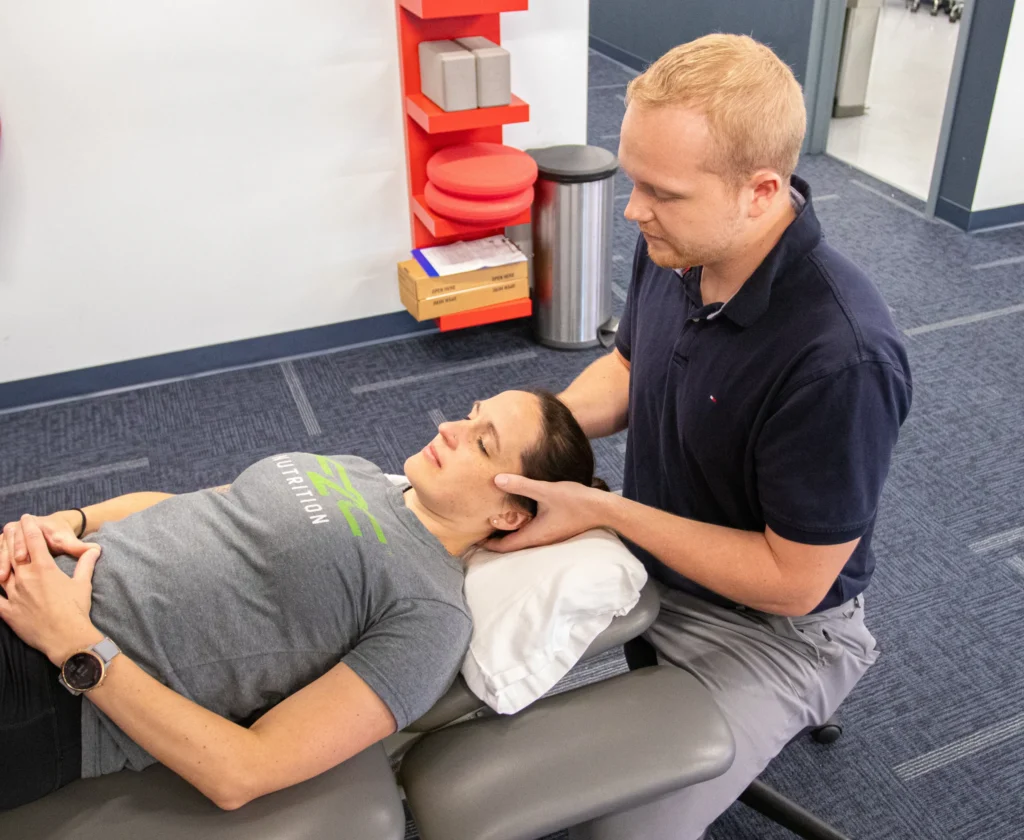
Discover the Power of Manual Therapy for Headache Relief
Manual therapy is a cornerstone treatment in physical therapy for cervicogenic headaches. This approach involves hands-on techniques targeting the neck and upper back muscles, joints, and soft tissues.
Let’s dive into how these techniques work and their specific benefits.
- Soft Tissue Mobilization: This technique focuses on the muscles and surrounding tissues. Our therapists use their hands to massage, stretch, and apply pressure to the soft tissues in the neck and upper back. This helps to release muscle tension, improve blood circulation, and reduce pain. It’s particularly effective for patients with tight muscles contributing to their headaches.
- Joint Mobilization: This technique involves our therapists moving your neck joints through their natural range of motion. This mobilization helps to loosen stiff joints, improve flexibility, and reduce pain.
- Trigger Point Therapy: Trigger points are tender, tight spots in the muscle. Our skilled therapists apply direct pressure to these points to release tension in the neck and shoulder region.
- Cervical Traction: In this technique, therapists gently stretch the neck to decompress the cervical spine, relieving pressure on the nerves to reduce headache pain.
These manual therapy techniques are often combined with other interventions like targeted stretches and strengthening exercises for a comprehensive approach. Our goal is to alleviate your headache symptoms and address the underlying neck issues causing them.
If you’ve been struggling with neck pain and headaches, remember that manual therapy can offer significant relief and may be the key to stopping cervicogenic headaches!
We Are Hiring!
Are you a passionate Doctor of Physical Therapy looking to make a meaningful impact?
Join our team and become an integral part of our mission to enhance lives through rehabilitation and wellness. We’re seeking a dedicated and skilled individual to join our dynamic team, providing exceptional care and support to our valued patients. As a Doctor of Physical Therapy with us, you’ll have the opportunity to collaborate with a diverse and talented team, utilizing the latest techniques and technologies to help our patients achieve their goals. If you’re ready to take the next step in your career and make a difference in the lives of others, we want to hear from you!
Recipe of the Month: Mediterranean Chicken

Ingredients:
- 4 small (6-to-8-ounce) boneless skinless chicken breasts
- 1 1/2 tsp. kosher salt
- 3/4 tsp. black pepper
- 3 Tbsp. olive oil
- 1 red bell pepper, chopped
- 1 red onion, cut into a large dice
- 4 garlic cloves, finely chopped
- 1/2 cup dry white wine
- 1 cup cherry tomatoes, halved
- 3/4 cup pitted green olives, halved
- 2 tsp. fresh oregano, chopped
- 1 zucchini, halved lengthwise and sliced into ½-inch half-moons
- Zest and juice of 1 small lemon
- 1/4 cup fresh parsley, chopped
- Rice, orzo, bread, or roasted potatoes, for serving
Instructions:
- Preheat the oven to 375°F.
- Pat the chicken dry with paper towels and season with 1 teaspoon salt and ½ teaspoon black pepper. In a large oven-safe skillet or braiser, heat 2 tablespoons of the oil over medium-high heat. Add the chicken and cook on one side until well browned, 4 to 6 minutes. Transfer the chicken to a plate.
- Reduce the heat to medium and add the remaining 1 tablespoon oil. Add the bell pepper, onion, garlic, and remaining ½ teaspoon salt and ¼ teaspoon pepper and cook, stirring frequently, until the vegetables are tender and lightly golden, 4 to 6 minutes. Add the wine and cook, scraping up any browned bits, until most of the liquid has evaporated, about 1 minute. Stir in the tomatoes, olives, oregano, zucchini, lemon zest, and lemon juice.
- Nestle the chicken seared-side up in the vegetables. Transfer the skillet to the oven and bake, uncovered, until the internal temperature of the chicken registers 165°F on an instant-read thermometer, 20 to 25 minutes.
- Sprinkle with parsley and serve with rice.
Kayaking & Paddleboarding with a Healthy Twist
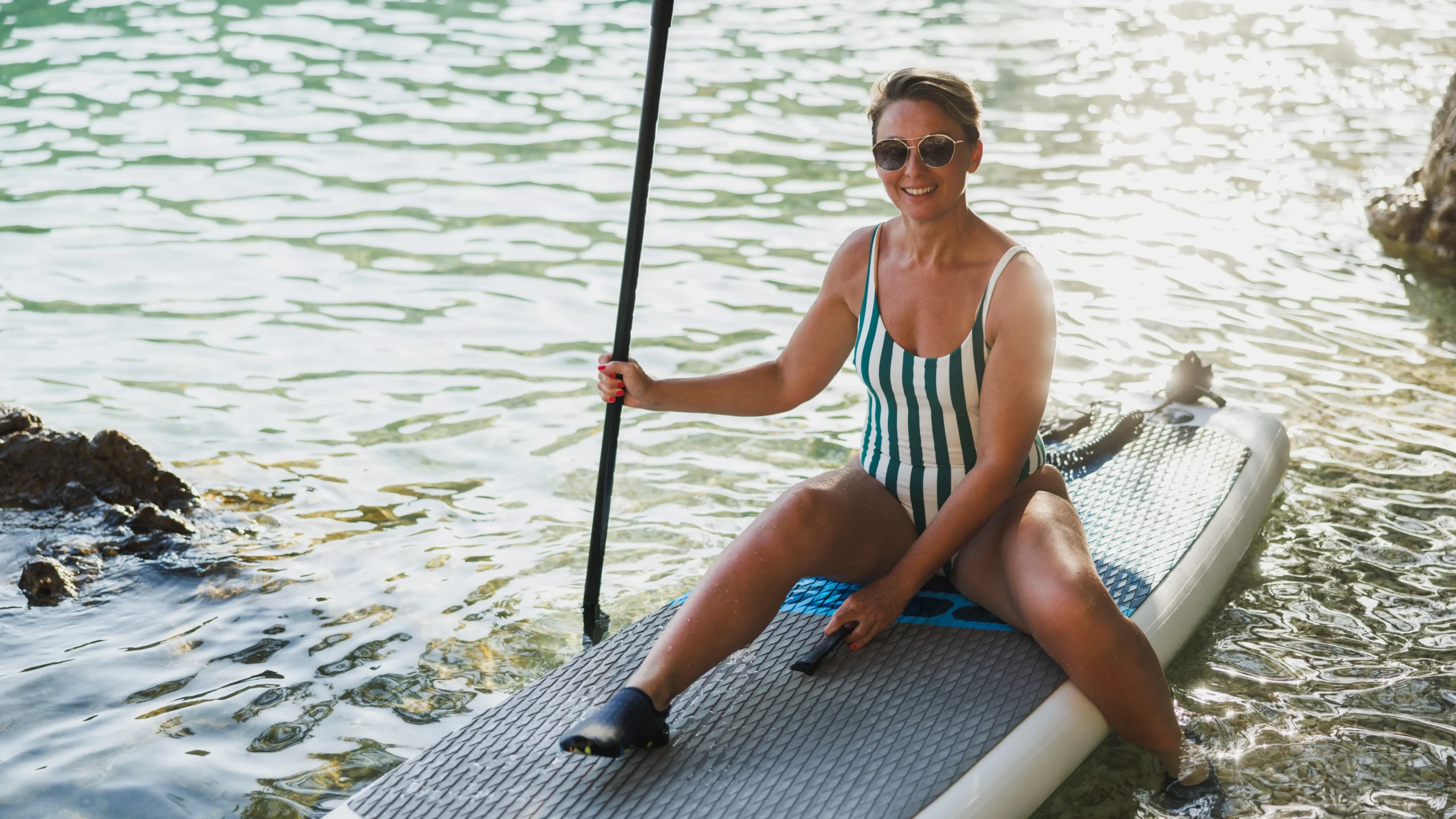
For a safe and body-friendly kayaking or paddle boarding experience, keep these practical strategies in mind:
- Mindful Paddling: Prioritize good posture and technique. Engage your core, maintain a straight back, and use your legs to generate power. This distributes the effort evenly, reducing strain on your shoulders and back. Using proper form enhances your performance and safeguards against overuse injuries.
- Full-Body Effort: Think of kayaking and paddleboarding as whole-body workouts. Involve your legs, core, and back in every stroke, not just your arms. This balanced approach lessens the risk of muscle imbalances and discomfort.
By incorporating these principles into your water adventures, you’ll have a blast on the water and take care of your body. Kayaking and paddleboarding can be both enjoyable and body-friendly when you paddle smart.
Clinic News
The Practice Marketing Podcast
Tune in now to the latest episode of ‘The Practice Marketing Podcast’ CTPTS was featured on! Colin & Olivia dove deep into marketing a 3 location PT practice and shared valuable insights into the PT world. Available on Apple Podcasts & Spotify – also available on YouTube!