Five Simple Tips for Improving Your Balance
Avoid Falls and Stay on Your Feet–With a Little Help from Physical Therapy
Are you worried about falling and injuring yourself? Does limited mobility due to arthritis or another condition make you feel shaky? Balance challenges can certainly be difficult, but you do have options for improving your overall balance and stability!
One of the things we do at Connecticut Physical Therapy Specialists is help people work on the spatial awareness and muscular strength crucial in addressing balance challenges. This is especially true for people with a high risk of falling, where improved balance could save you a trip to the hospital.
Want to learn more about the importance of good balance? Call to schedule an appointment today.
Our Patients Get Great Results
“My experience here has been fantastic. I was injured in an auto accident and had other physical therapy that did nothing. The therapists here are far above my previous experience and are getting results.” – M.G.

Staff Spotlight:
Eric O’Loughlin
Eric graduated with a Bachelor of Science degree in Biology in 2019 and in 2023 graduated from the University of Connecticut with a Doctorate of Physical Therapy. In his free time Eric enjoys playing pickleball, basketball and golf. He is also an avid sports fan and enjoys watching the Miami Dolphins and UConn Huskies basketball teams.
Why Should I Work on My Balance At All?
The older you get, the more important good balance becomes. Falls are one of the biggest threats to adults 65 years or older, causing millions of hospitalizations and emergency room visits every year.
While several factors contribute to this high fall risk–including age-related sensory and physical changes–you can do things to lessen your risk, and it’s never too early to get started! If you start working to improve your balance now, you’ll be in a better place as you age.
That said, there are other benefits to improving balance for younger people. A good sense of balance has a radiating effect on your overall fitness, helping to improve your posture and overall movement. You’ll be better able to catch yourself if you stumble or trip, and you might notice improvements in other physical activities, like running or playing sports.
How Can I Improve My Balance? Five Suggestions from Our Physical Therapists
- Go for a Walk: Sometimes, the best solutions are the simplest. Walking helps build core and lower-body strength, two crucial components of good balance, and it’s safe and effective for most people. That said, if you’re struggling with balance, it’s important to speak to your physical therapist first–you might benefit from initial balance training or using a mobility aid during your walks.
- Restore Your Mobility: Stiff or arthritic joints can negatively impact your balance. Our physical therapists can teach you how to restore or improve your mobility and guide you on a safe routine you can perform at home that targets your individual needs.
- Target Your Core: If you’re really struggling with balance and instability, it may be time to focus on dedicated core exercises. Your core refers to the muscles that wrap around your spine–your back, hip, glute, and ab muscles. They keep your spine stabilized, which in turn helps you keep your balance. Not sure where to start with core strengthening? Our physical therapists can show you which exercises will work best for you.
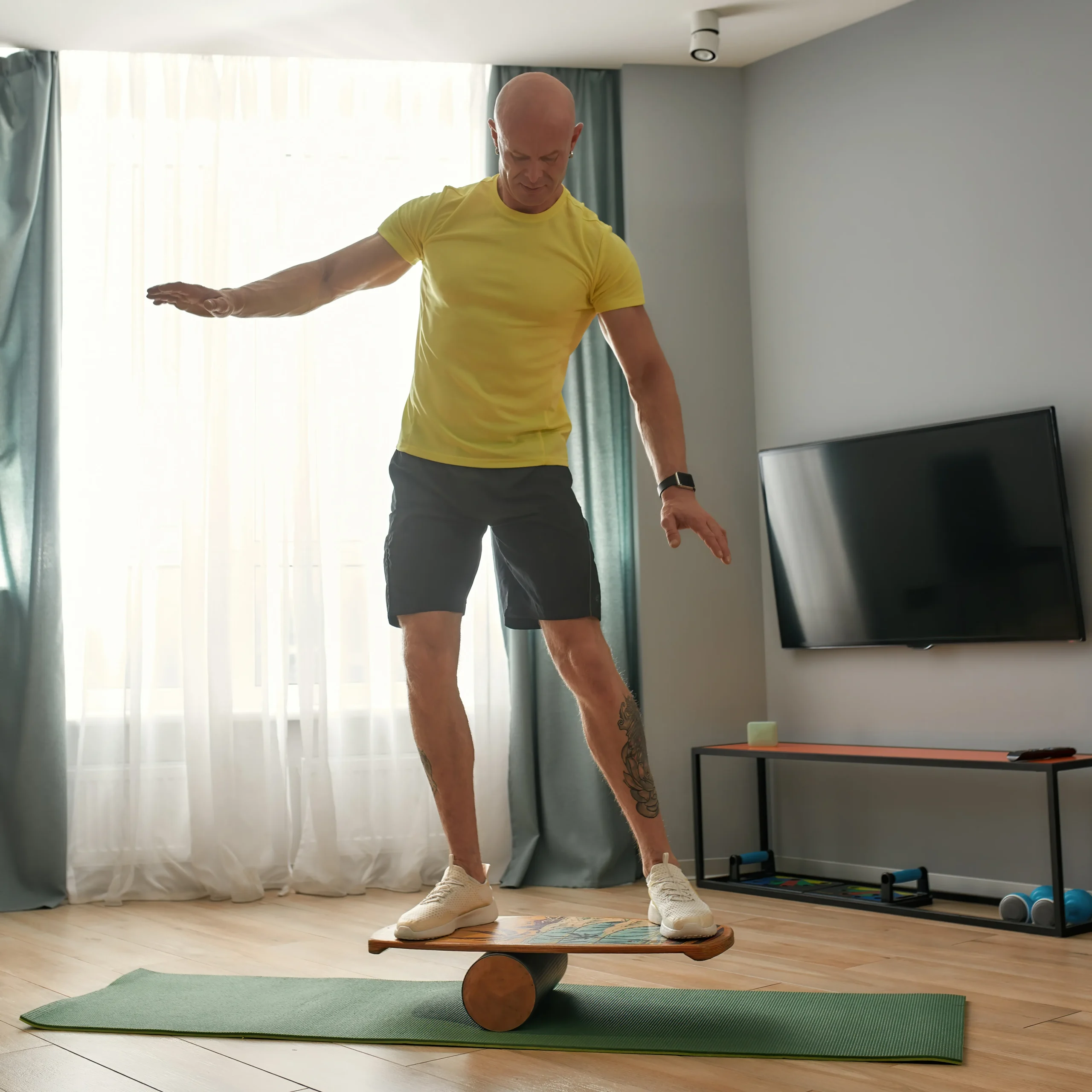
- Challenge Your Balance: As with any other aspect of fitness, spending time on dedicated balance training can help you see results. Your goal is to find exercises that challenge your sense of balance without putting you at risk of falling–again, this is something our PTs can help with.
- Assess Your Balance: If you want to get serious about improving your balance, schedule an appointment at Connecticut Physical Therapy Specialists to have your balance assessed by one of our experts. We’ll run several balance screens to help us pinpoint the exact reason for your balance challenges–it may even be something you didn’t expect, such as inner ear issues. With a balance assessment, we can help you target your treatment to suit your exact needs.
Help! Planking is Too Hard for Me!
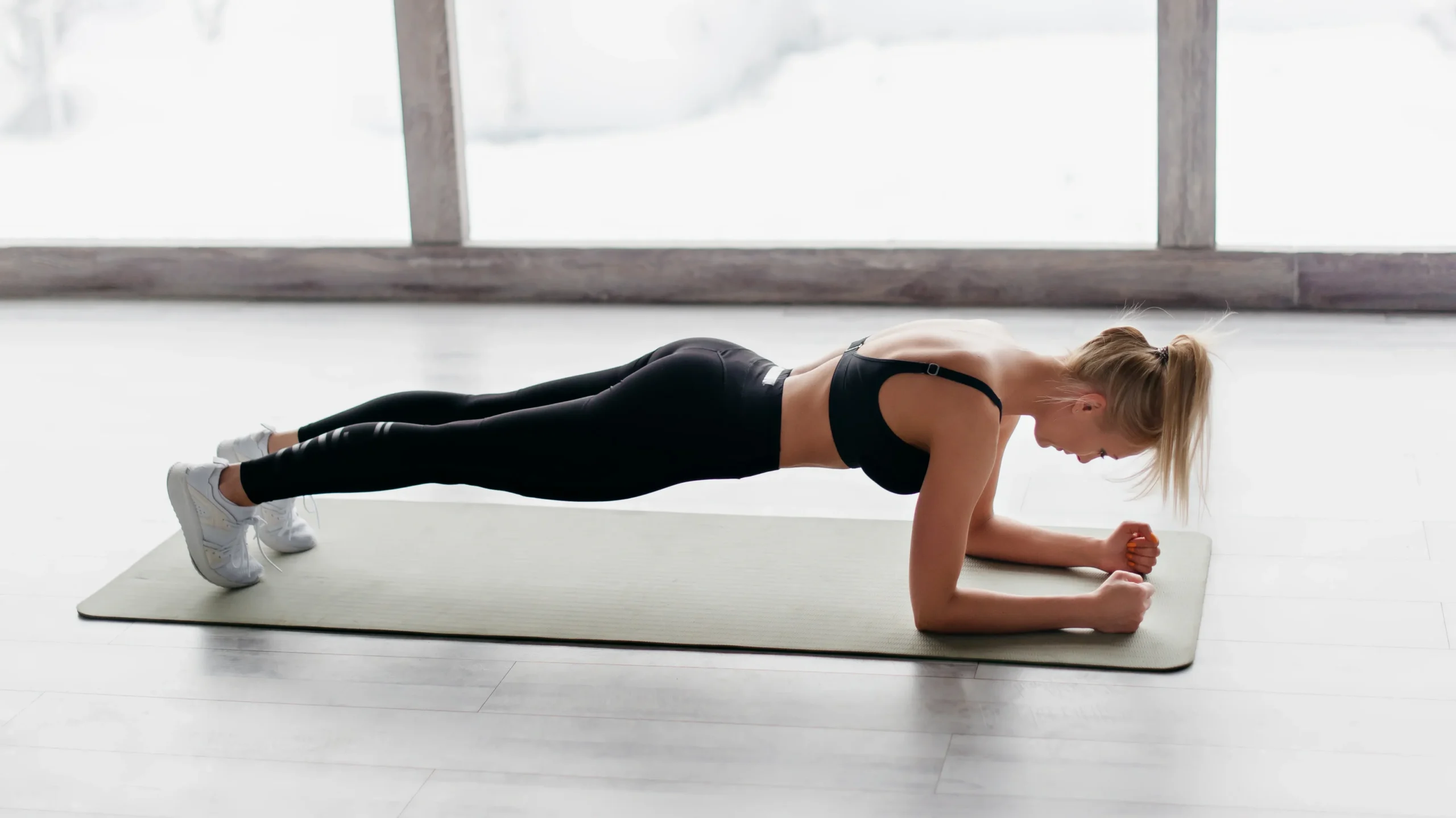
If you’ve ever looked into strengthening your core, you’ve likely heard of planking. This deceptively difficult exercise involves holding your body in a straight line like a plank of wood. The most common version involves supporting yourself on your forearms and your toes.
It looks easy, but in reality, planking requires a tremendous amount of core strength while requiring you to use proper form–not letting your hips sag or stick too high up in the air, for example. And sometimes, someone might try a plank for the first time, only to discover that it’s nearly impossible for them to hold the position for 6 seconds, much less 60!
If that sounds familiar, don’t despair. You can build your core strength through plank variations.
If Planking is Too Hard, Try These Variations Instead
- Tabletop Plank: Performing a plank correctly requires activating your core muscles. This exercise helps you learn what that feels like. Position yourself on your hands and knees, your gaze on the floor, and your spine neutral. Practice engaging your core muscles–but don’t hold your breath.
- Bear Plank: Once you’ve got the hang of a tabletop plank, try a bear plank. Start in the same position as a tabletop plank. Then, tuck your toes, engage your core, and lift your knees about an inch off the ground. Hold for as long as you can, take a break, and then repeat.
- Incline Plank: Rather than resting your forearms on the floor, you can try a plank in which you rest your forearms on a bench or step. Arrange your forearms or palms on a sturdy, flat, elevated surface, then walk your feet back until your body forms a straight, diagonal line. Brace your core and hold for as long as you can.
Don’t miss out on the benefits of good balance.
Want more tips on improving your core strength? Call us to request your balance assessment today!
We Are Hiring!
Are you a passionate Doctor of Physical Therapy looking to make a meaningful impact?
Join our team and become an integral part of our mission to enhance lives through rehabilitation and wellness. We’re seeking a dedicated and skilled individual to join our dynamic team, providing exceptional care and support to our valued patients. As a Doctor of Physical Therapy with us, you’ll have the opportunity to collaborate with a diverse and talented team, utilizing the latest techniques and technologies to help our patients achieve their goals. If you’re ready to take the next step in your career and make a difference in the lives of others, we want to hear from you!
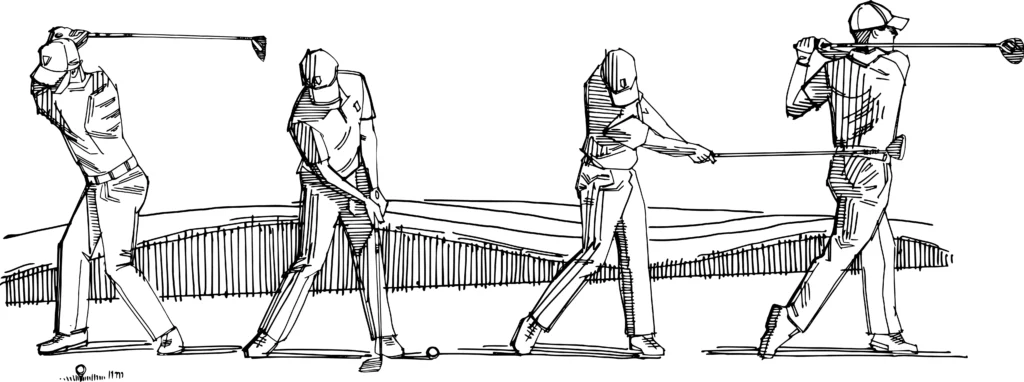
Tee Up for a Healthy Golf Season
March marks the arrival of spring and the anticipation of a brand-new golf season. It’s not just about dusting off your clubs but also about prepping your body for the game. Here are some effective tips to ensure you swing into the new season at your best physical ability.
- Dynamic Warm-Up: Replace traditional static stretching with dynamic warm-ups like leg swings, arm circles, and torso rotations to prepare your muscles and joints for the various movements in golf.
- Balance and Coordination: Golf requires a high level of balance and coordination. Our therapists can give you drills to enhance your stability, which in turn will improve your swing.
- Soft Tissue Work: Use foam rollers or a massage stick to work on your soft tissue. This helps muscle recovery and keeps you loose and limber, reducing the risk of strains or sprains.
By incorporating these cutting-edge tips into your preparation, you’re setting yourself up for a healthier, more enjoyable golf season. May your drives be long and your putts be true!
Recipe of the Month: Green Power Pesto Bowl
(St. Paddy’s–Approved, Body-Approved)
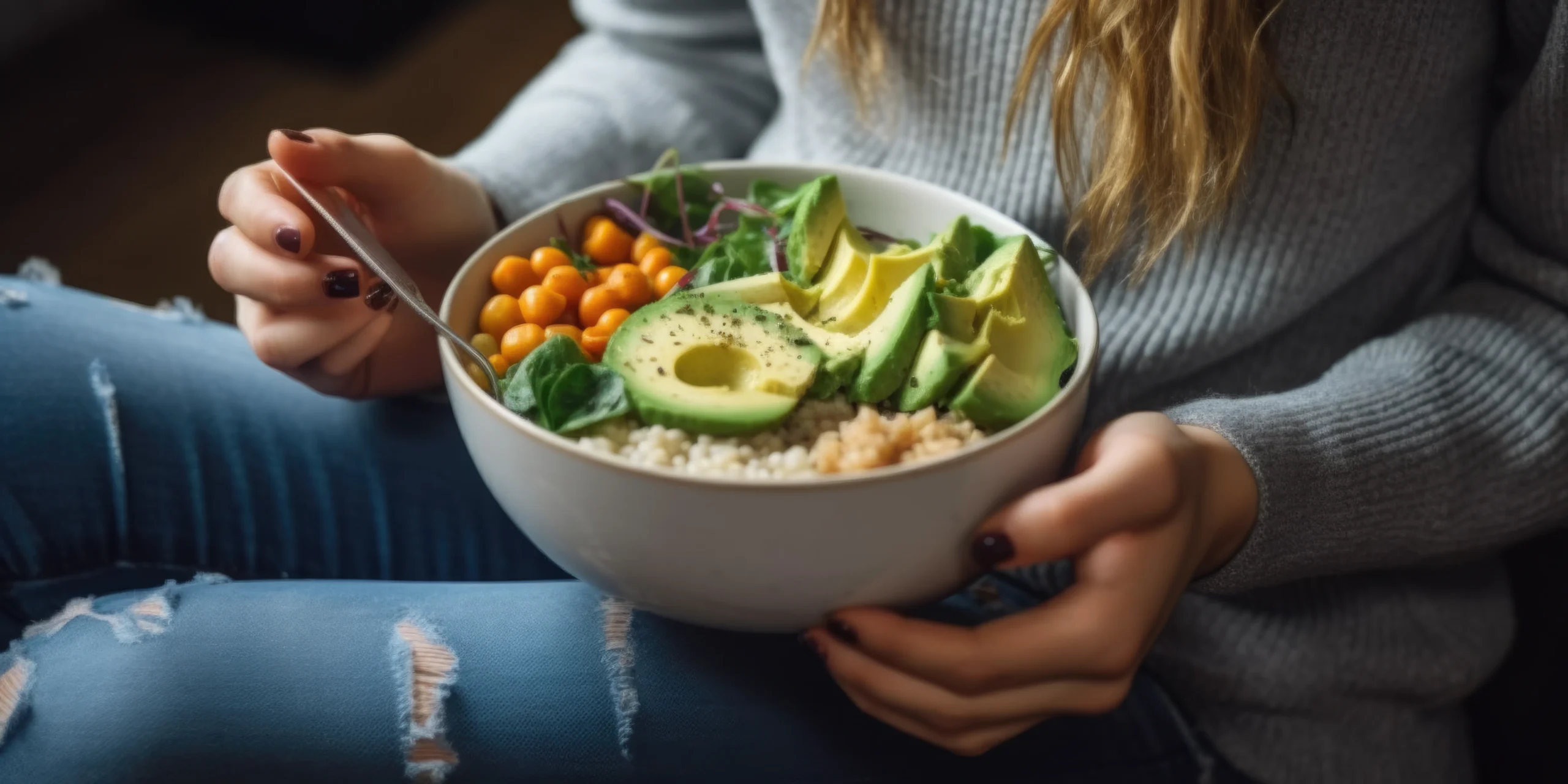
Ingredients:
- 1 cup uncooked quinoa
- 2 cups water
- 2 cups broccoli florets
- 1 medium zucchini, sliced
- 1 tbsp olive oil
- ½ tsp salt
- ¼ tsp black pepper
- 3 cups fresh spinach
- 1 cup arugula
- 1 cup shelled edamame or green peas (cooked)
- 1 ripe avocado, sliced
- 1 cup cooked grilled chicken or 1 can (15 oz) chickpeas, drained & rinsed
Creamy Green Pesto Sauce:
- 1½ cups fresh basil leaves
- 1 cup fresh spinach
- 2 tbsp pine nuts or walnuts
- 1 small garlic clove
- ¼ cup olive oil
- 2 tbsp fresh lemon juice
- ¼ tsp salt
- 2–4 tbsp water (to thin, as needed)
Instructions:
- Rinse quinoa under cold water. Add quinoa and 2 cups water to a saucepan. Bring to a boil, reduce heat to low, cover, and simmer for 15 minutes. Remove from heat and let sit 5 minutes, then fluff with a fork.
- Preheat oven to 400°F. Toss broccoli and zucchini with olive oil, salt, and pepper. Spread evenly on a baking sheet. Roast for 15–20 minutes, stirring halfway, until tender and lightly browned.
- Add basil, spinach, nuts, garlic, olive oil, lemon juice, and salt to a blender or food processor. Blend until smooth. Add water 1 tablespoon at a time until desired drizzle consistency is reached. Taste and adjust seasoning if needed.
- Divide quinoa between bowls. Top with spinach, arugula, roasted veggies, edamame, avocado, and protein of choice. Drizzle generously with green pesto. Sprinkle with hemp seeds or pumpkin seeds if desired.
Clinic News
The Practice Marketing Podcast
Tune in now to the latest episode of ‘The Practice Marketing Podcast’ CTPTS was featured on! Colin & Olivia dove deep into marketing a 3 location PT practice and shared valuable insights into the PT world. Available on Apple Podcasts & Spotify – also available on YouTube!