
How Physical Therapy Tackles Hip Pain
You want to take care of some chores or go for a walk — but hip pain is keeping you on the couch. If this sounds familiar, know that you don’t have to suffer! At Connecticut Physical Therapy Specialists, our physical therapists will guide you through a simple process to address your hip pain so you can get active again.
This newsletter will take you through that process, from understanding your symptoms to the outcomes you can expect from physical therapy. Still have questions? Call us to schedule an appointment!
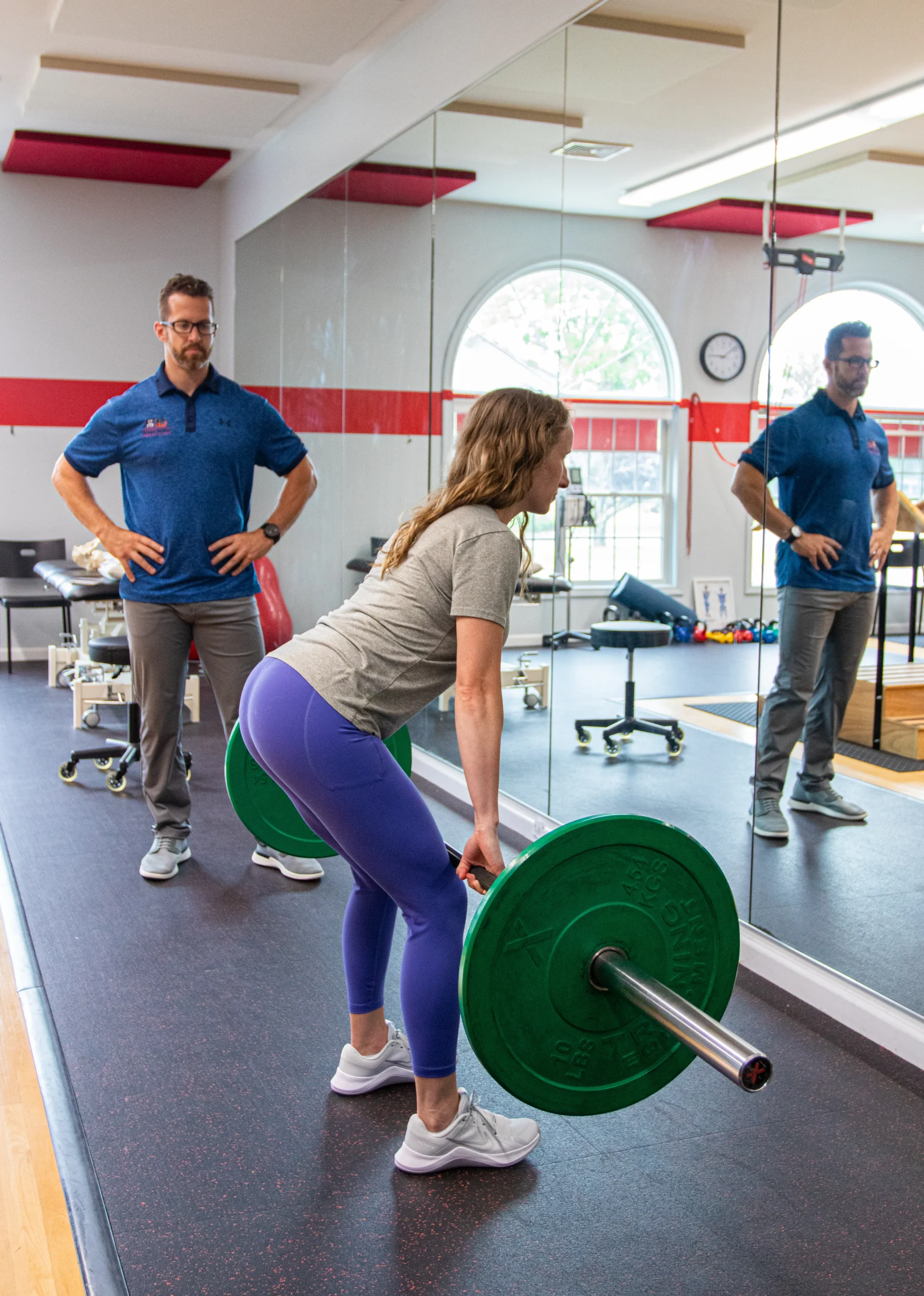
Our Patients Get Great Results
“After 9 months of debilitating pain, I am finally feeling better! I went to 2 other PT offices that are affiliated with hospitals and unfortunately they did not help. Going to CT physical therapy specialists was my last ditch attempt…Thank you JACKIE! I can finally return to normal living again. I highly recommend! 5 stars & 2 thumbs up!” – P.H.

Staff Spotlight: Greg Hutchinson
Greg graduated in 2019 from Sacred Heart University with his Doctorate in Physical Therapy. He began his residency in Orthopedic Manual Physical Therapy (MTI) in January 2022. Outside of work Greg enjoys spending time with family, music, and soccer.
Pinpoint Your Symptoms
There are several potential reasons why someone might develop hip pain. To treat your pain effectively, we need to pinpoint what that cause could be. When you visit us for your initial appointment, one of the first things we’ll do is ask you to share your symptoms. “Hip pain” often causes a lot more than just pain, and being able to describe your pain, mobility limitations, and other concerns helps us get a clearer picture of your condition.
For example, you know that your hip hurts. But when do you experience pain (i.e., during activity)? Does your pain come and go? Where do you experience pain? Is it just in your hip, or do you feel it elsewhere? Is the pain a dull ache? Sharp and shooting? Make sure to share additional symptoms you might be experiencing, too. Here are some common ones:
- Stiffness/limited range of motion in your hip
- Weakness throughout the lower extremities
- Mobility issues, including walking, going up or down stairs, or struggling to stand up
- Difficulty performing everyday tasks, such as putting on your shoes — and let us know which ones
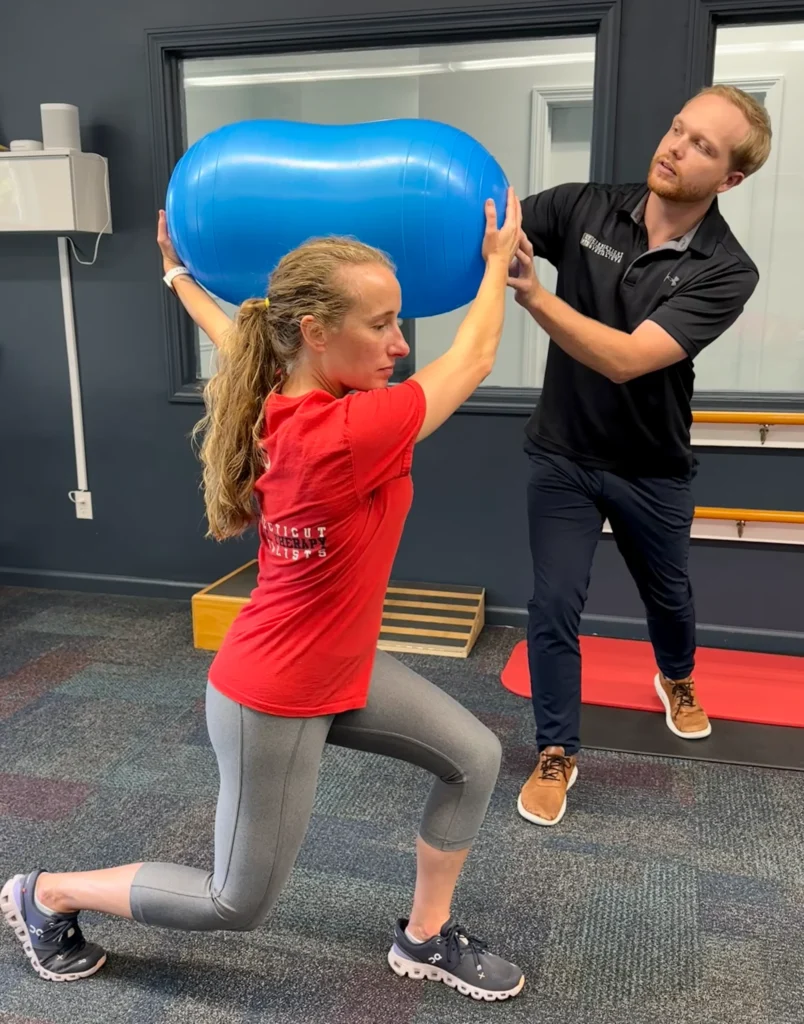
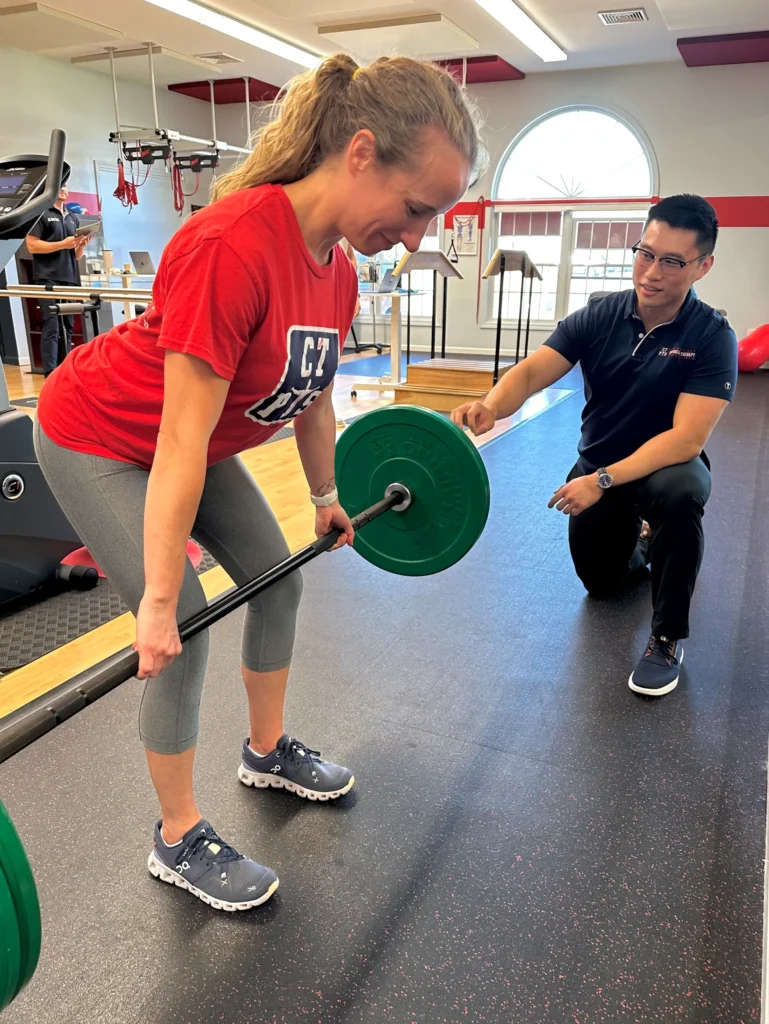
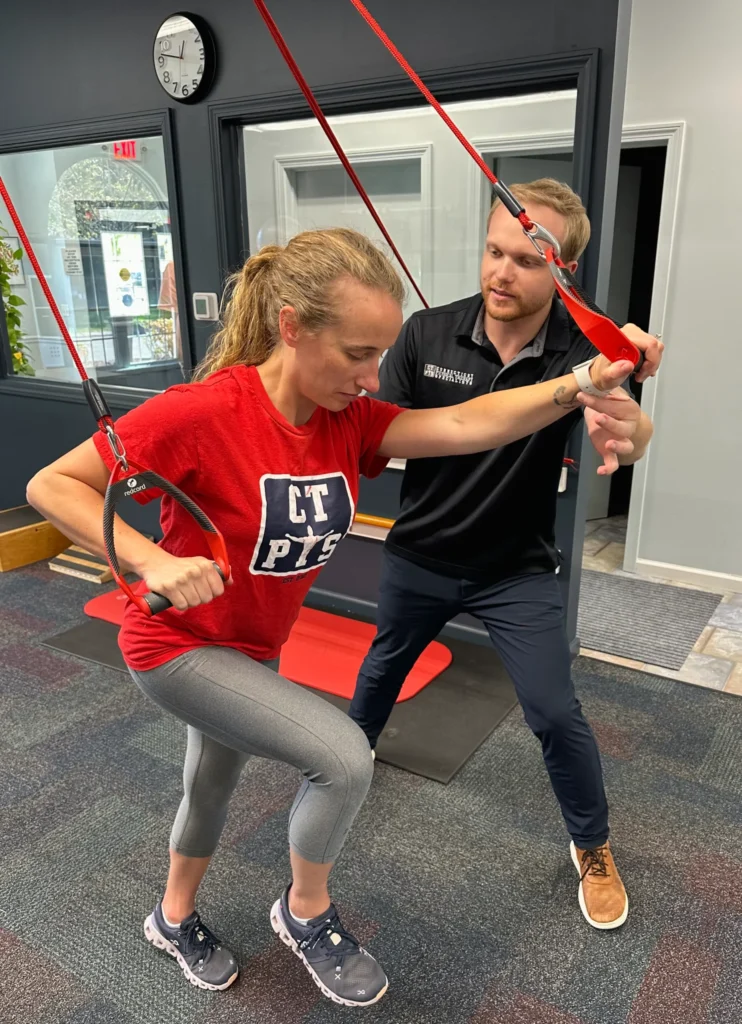

Identify a Cause and Develop a Treatment Plan
Thanks to your detailed symptom description — as well as a health history and comprehensive physical exam — your therapist should be able to determine the underlying cause of your hip pain.
If you’re 55 or older, there’s a good chance your hip pain stems from osteoarthritis. This degenerative condition causes cartilage and bone tissue to break down, leading to pain and restricted mobility.
However, hip pain can also stem from an injury. If you’re an athlete or particularly active person, you may have suffered an acute injury, such as a labral tear, in which a ring of cartilage in the hip socket becomes damaged. You may have also sprained your hip — that is, damaged the ligaments that hold the joint together.
However, even if you haven’t had an obvious injury, an injury could still be to blame. Overuse injuries are injuries that develop gradually and, in the hip, generally affect the soft tissue — your muscles, tendons, and ligaments. They usually occur due to repetitive movements or improper biomechanics.
Your treatment plan will vary based on the underlying cause of your pain, but in most cases, we aim to…
- Help manage acute pain with manual therapy, modalities, or gentle stretches.
- Improve mobility and range of motion through targeted stretches and exercises.
- Build strength in the muscles surrounding the hip to support the joint.
- Restore your ability to perform everyday movements, such as going upstairs — and for the athletes, we’ll help restore your ability to perform sport-specific movements.

Understand Your Outcomes
As with treatments, your exact outcomes will vary based on the underlying cause. However, other factors can come into play, too, such as age, health status, and the amount of time you can spend with physical therapy (whether in the clinic or performing home exercise programs).
For example, osteoarthritis has no cure, but you can manage your symptoms with regular physical activity. If you stick with your prescribed exercise program, you can minimize pain, slow the progression of your condition, and delay or even avoid surgery.
If you suffered an injury, you likely will be able to resolve your hip pain, usually within 1-3 months. However, if your injury was severe, full rehabilitation — the point at which you’ve fully restored strength and function — may take longer. Continuing any prescribed exercises is important even if you no longer feel pain.
Start Your Own Journey to Hip Pain Relief Today
No matter the reason for your hip pain, the physical therapists at Connecticut Physical Therapy Specialists will guide you toward lasting relief. Call us today to schedule an appointment to get started!

Innovative Approaches to Physical Wellness this Thanksgiving Season
Thanksgiving is more than just a day of feasting; it’s a time to come together and celebrate what we’re thankful for. While traditional advice often emphasizes the basics, let’s elevate your approach to physical well-being this season with these cutting-edge tips:
- Dynamic Warm-Up Before the Turkey Trot: If you’re planning a Thanksgiving morning run or family games, forget old-school stretching. Use a dynamic warm-up to prep your muscles and boost your range of motion.
- Text Neck Prevention: As we catch up on social media or text friends and family Thanksgiving wishes, “text neck” can be a real issue. Counteract this by sitting tall or not at all and doing neck stretches every hour.
- Mindfulness Through Movement: Instead of sitting to meditate or relax, try combining mindfulness with gentle movements like Tai Chi or a light stroll through the neighborhood.
Embrace your health by prioritizing your physical and mental well-being to ensure you have the best Thanksgiving yet!
We Are Hiring!
Are you a passionate Doctor of Physical Therapy looking to make a meaningful impact?
Join our team and become an integral part of our mission to enhance lives through rehabilitation and wellness. We’re seeking a dedicated and skilled individual to join our dynamic team, providing exceptional care and support to our valued patients. As a Doctor of Physical Therapy with us, you’ll have the opportunity to collaborate with a diverse and talented team, utilizing the latest techniques and technologies to help our patients achieve their goals. If you’re ready to take the next step in your career and make a difference in the lives of others, we want to hear from you!
Recipe of the Month: Creamy Roasted Pumpkin Soup

Ingredients:
- 4 tablespoons olive oil, divided
- One 4-pound sugar pie pumpkin
- 1 large yellow onion, chopped
- 4 large or 6 medium garlic cloves, pressed or minced
- ½ teaspoon sea salt
- ½ teaspoon ground cinnamon
- ½ teaspoon ground nutmeg
- ⅛ teaspoon cloves
- Tiny dash of cayenne pepper (optional, if you like spice)
- Freshly ground black pepper
- 4 cups (32 ounces) vegetable broth
- ½ cup full fat coconut milk or heavy cream
- 2 tablespoons maple syrup or honey
- ¼ cup pepitas (green pumpkin seeds)
Instructions:
- Preheat oven to 425°F (220°C) and line a baking sheet with parchment paper for easy cleanup. Carefully halve the pumpkin and scoop out the seeds (seeds can be roasted separately, if desired, but are not needed for this recipe).
- Cut each pumpkin half into quarters. Brush or rub 1 tablespoon of olive oil over the flesh, then place the quarters cut-side down on the baking sheet. Roast for 35 minutes or until the flesh is easily pierced with a fork. Allow to cool slightly.
- Heat the remaining 3 tablespoons olive oil in a large Dutch oven or heavy-bottomed pot over medium heat. Once shimmering, add the onion, garlic, and salt. Cook, stirring occasionally, until the onion is translucent, about 8 to 10 minutes. Meanwhile, peel the skin from the roasted pumpkin and discard.
- Add the pumpkin flesh, cinnamon, nutmeg, cloves, cayenne pepper (if using), and freshly ground black pepper to the pot. Stir to break up the pumpkin slightly. Pour in the broth, bring to a boil, then reduce heat and simmer for about 15 minutes to allow flavors to meld.
- While the soup simmers, toast pepitas in a medium skillet over medium-low heat, stirring frequently, until fragrant, golden, and lightly popping. Avoid burning. Transfer to a bowl to cool.
- Once the soup is done simmering, stir in the coconut milk and maple syrup. Remove from heat and let cool slightly. Use an immersion blender to purée the soup directly in the pot, or blend in batches using a stand blender (do not exceed the blender’s max fill line). Secure the lid and use a kitchen towel to cover the top, puréeing until smooth. Transfer puréed soup to a serving bowl and repeat with remaining soup.
- Taste and adjust seasoning if needed—add more coconut milk for creaminess or maple syrup for sweetness.
- Ladle into bowls, garnish with toasted pepitas, and serve. Allow leftovers to cool completely before refrigerating in an airtight container for up to 4 days. This soup also freezes well for up to 3 months.
What’s A HEP — And Why Is It So Important to Your Success?
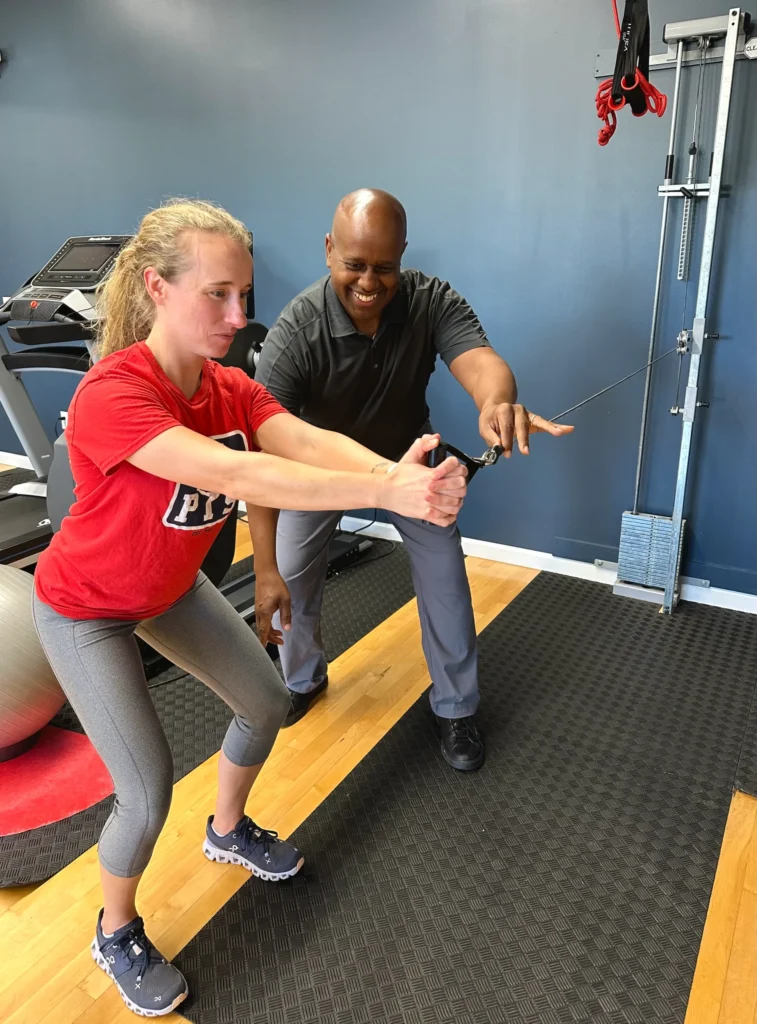
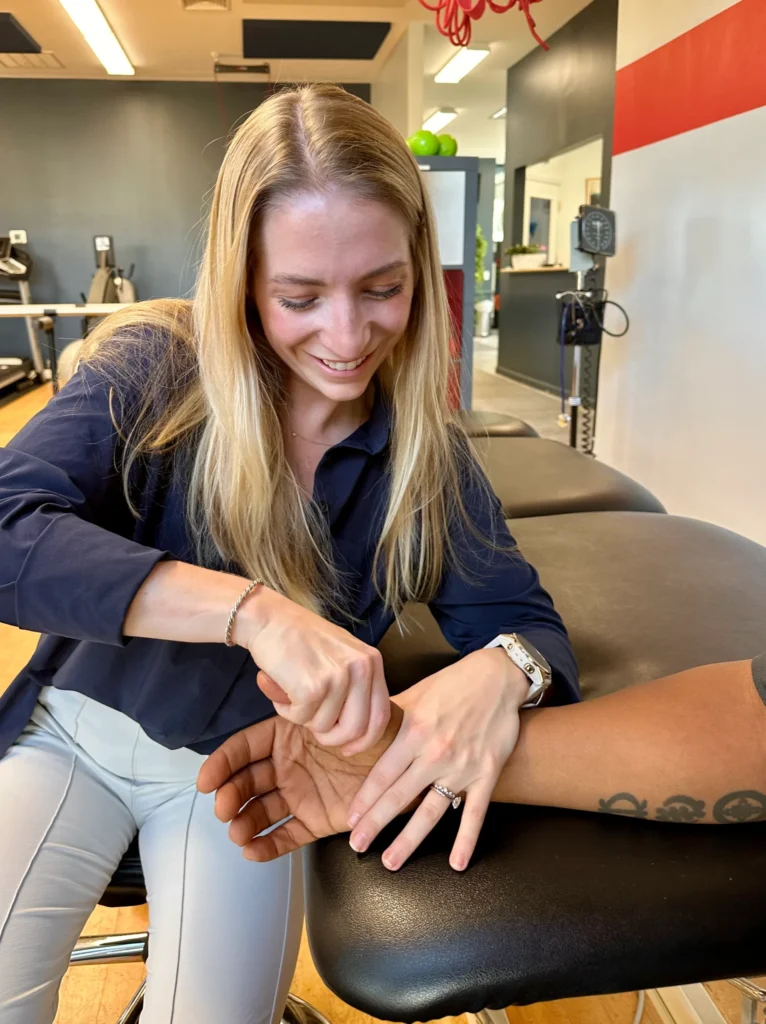
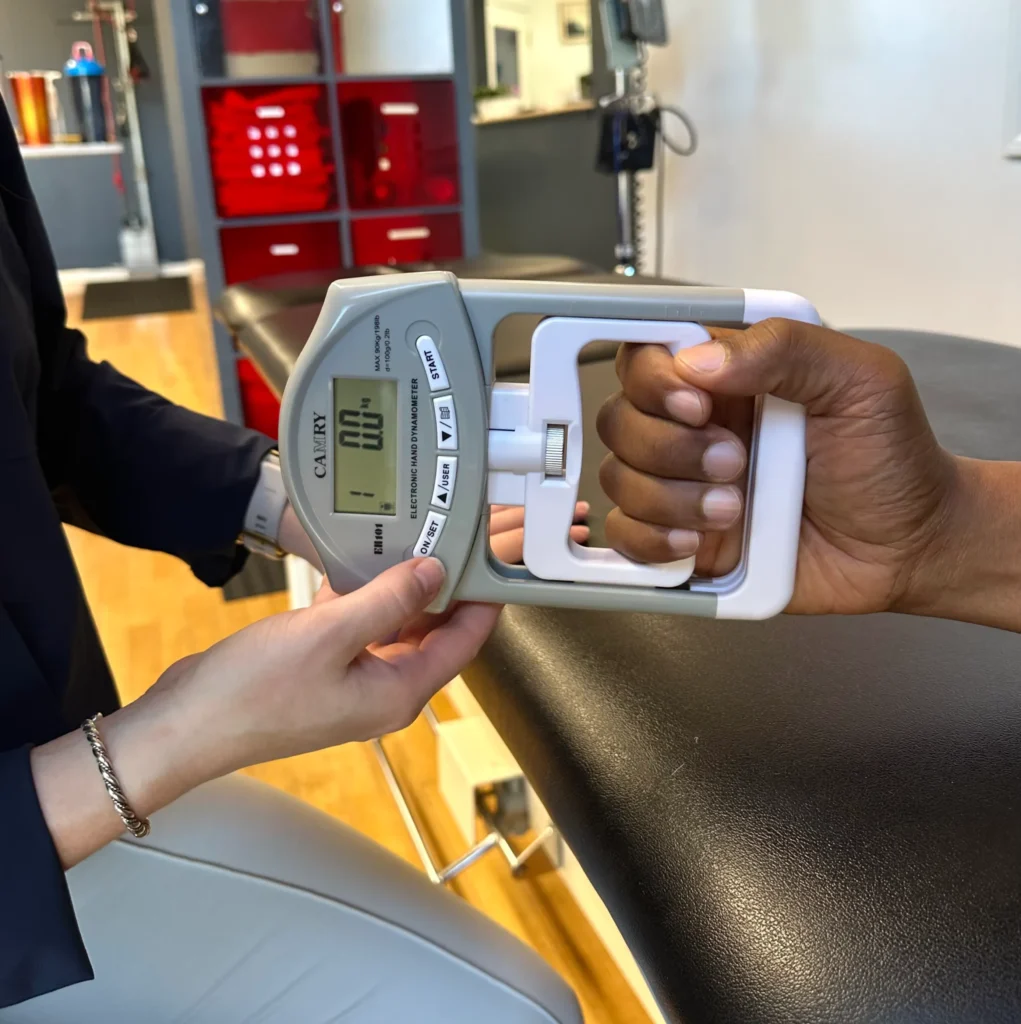
HEP stands for “home exercise program.” If you’re undergoing physical therapy with Connecticut Physical Therapy Specialists, there’s a good chance your therapist will prescribe one to you. It’s important to note that a HEP isn’t the same as an at-home workout program. With an at-home workout, your goal is general fitness. A HEP consists of curated exercises to help you achieve your rehabilitation goals. We understand that an exercise routine can sometimes be difficult to work into a busy lifestyle. Therefore, we design our HEPs to be as straightforward as possible, with…
- Exercises you’ve done before
- A small time commitment
- Strategies for managing pain, if needed
However, we also want to make sure you understand why we prescribe a HEP at all! In fact, a HEP has multiple benefits:
- It improves outcomes: Patients who complete their prescribed HEP experience faster and more effective rehabilitation.
- It improves muscle memory: This means movements will become easier, and you’ll be able to more easily incorporate additional exercises during your in-clinic sessions.
- It helps develop a good habit: Even after you recover, regular physical activity is essential for good health. By completing your HEP, you get into the habit of moving daily.
Do You Need A HEP?
In short, a HEP is a small way to make big changes! And if you think you might benefit from a personalized HEP, call us to schedule a consultation.
Clinic News
The Practice Marketing Podcast
Tune in now to the latest episode of ‘The Practice Marketing Podcast’ CTPTS was featured on! Colin & Olivia dove deep into marketing a 3 location PT practice and shared valuable insights into the PT world. Available on Apple Podcasts & Spotify – also available on YouTube!