Stop It Before It Starts: Simple Tips to Prevent Shoulder Pain
If you’ve ever suffered a shoulder injury, then you know how debilitating it can be. Not only are you experiencing persistent pain, but most shoulder injuries also restrict the range of motion in the joint, making day-to-day tasks — from grabbing a cup off the high shelf to brushing your hair — feel nearly impossible.
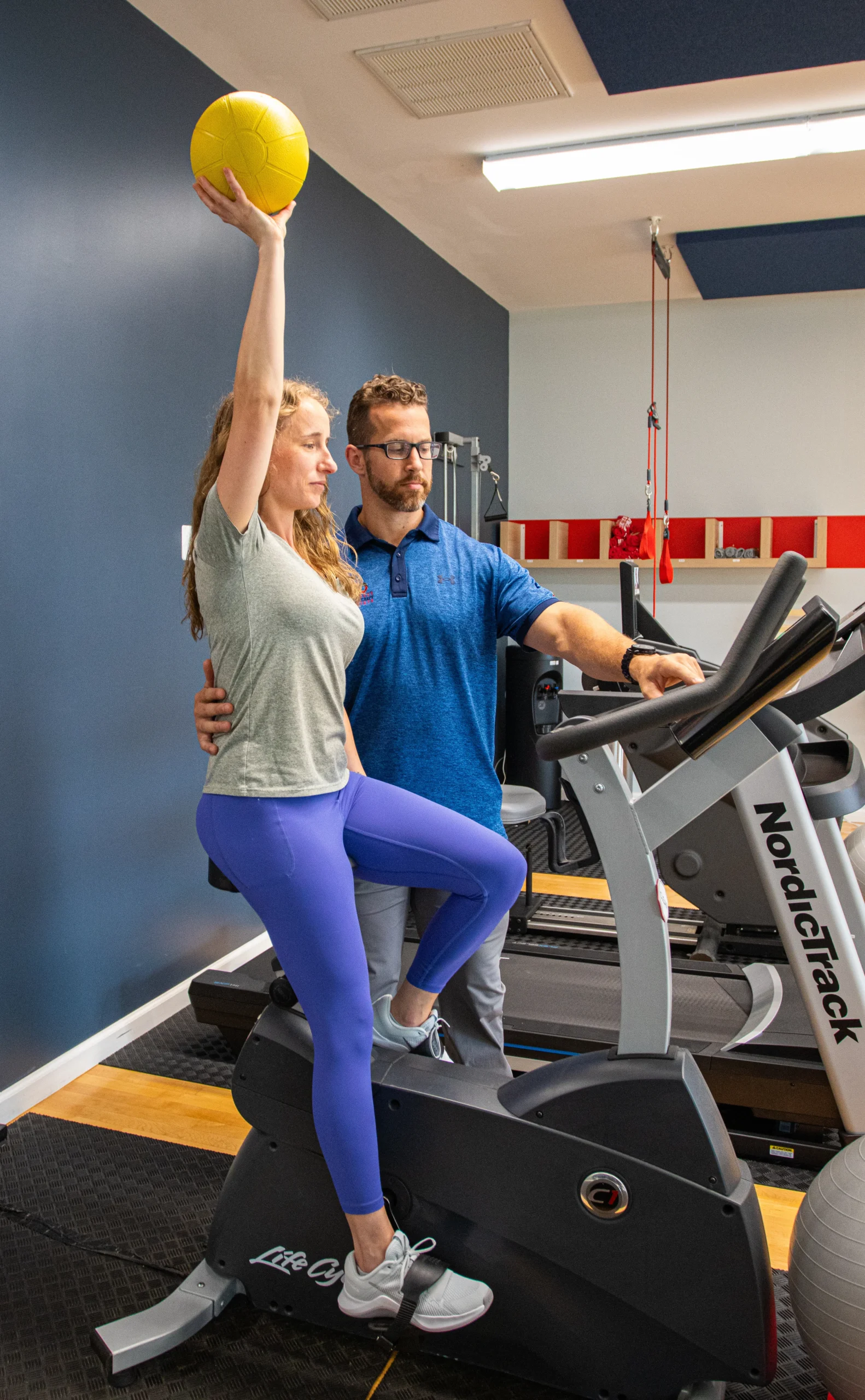
At Connecticut Physical Therapy Specialists, our team of physical therapists will work with you to identify and resolve the underlying causes of your shoulder pain. We offer acute pain relief and can guide you through complete shoulder rehabilitation regardless of whether or not you require surgery, and often, you can resolve a shoulder injury with physical therapy alone!
But that process can take a while, and we want to help you avoid shoulder injuries, too. While we do incorporate injury prevention information into our rehab programs, it’s never a bad time to start incorporating small changes into your routine that can help prevent shoulder pain.
If you’d like to learn more about how we help prevent and alleviate shoulder pain, call us to schedule an appointment today!

Staff Spotlight: Colin Bostic
Colin attended both the University of Connecticut and Eastern Connecticut State University where he played lacrosse. He has worked in a variety of positions throughout his post college years ranging from real estate to sales before joining his family’s business as the business manager in 2017. Outside of work Colin enjoys reading, being outdoors, and spending time with family.
Our Patients Get Great Results
“Staff here are great. 1 on 1 attention with patient PT doctors who take the time to explain what to do and why. The equipment really helps target the specific body parts being addressed. I used to dread going to PT but not here! You get your work in but each time it’s a little different yet complimentary. The staff are supportive and understand your limitations while encouraging improvement. Highly recommend!”
– A.J.
What Causes Shoulder Pain and Injury, Anyway?
Your shoulder is an incredibly complex ball-and-socket joint with several moving parts, including:
- Three separate bones: the humerus (arm bone), scapula (shoulder blade), and clavicle (collarbone)
- Cartilage that wraps and protects these bones from rubbing against each other
- The three main ligaments that connect your shoulder’s bones
- A collection of muscles and tendons known as the rotator cuff that wrap and support the shoulder joint
- Bursae: small fluid-filled sacs that protect your tendons
Damaging any of these structures can lead to shoulder pain, weakness, and immobility. Some people injure their shoulders through sudden, acute injuries, especially if they’re active — a hard fall on the football field could tear their rotator cuff or dislocate the arm bone out of their shoulder socket.
However, many shoulder injuries are actually overuse injuries, meaning the pain and immobility symptoms occur due to repeated micro-injuries in your shoulder’s tissue. Often, sports-related shoulder injuries are actually due to overuse, as repeated overhead motions (such as throwing a ball or certain swimming strokes) put stress on the shoulder joint, leading to symptoms. Using improper form can also contribute to overuse injuries, such as improper posture — a weak upper back strains your shoulder muscles, making them do more work than needed.
Preventing shoulder pain is really about preventing these overuse injuries. By making small changes, you can keep your shoulders strong, healthy, and pain-free!
5 Ways You Can Help Prevent Shoulder Pain
- Strengthen your upper body: Strong upper back and shoulder muscles are better able to provide the shoulder joint with the support and stability it needs, meaning you’ll be less likely to suffer an injury. Not sure how to get started? Our PTs can walk you through some appropriate exercises.
- Keep your mobility: We can show you simple range of motion exercises that will get the blood flowing to your joints, keeping them healthy. Reaching overhead, across your body, or behind your back are all basic stretches that can do wonders — just make sure you never force a movement!
- Don’t forget to warm up first: Many popular recreational activities put you at risk for a shoulder injury, including swimming, pickleball, and tennis. It’s crucial that you warm up your shoulder before you dive in. Try some quick cardio paired with active shoulder stretches (like arm circles).
- Maintain proper posture: Proper posture isn’t about standing up straight all the time; it’s about maintaining postural awareness and keeping your spine in alignment no matter what you’re doing. And if you have a sedentary job, move around regularly. Both habits will help keep your upper back and shoulders strong.
- Pay attention to ergonomics: If your workspace isn’t shoulder-friendly, you might wind up with an overuse injury. Simple changes — like adjusting the height of your computer monitor or maintaining good posture when using hand tools — will reduce repetitive stress and lower your chances of developing shoulder pain.
Need A Little Help? We’ve Got You
The Connecticut Physical Therapy Specialists physical therapists can help you prevent shoulder injuries as easily as we can treat them! Whether you’re looking for a shoulder stretch and strengthen routine, postural corrections, or some simple ergonomic adjustments, we’re here for you. Call us today to get started!

Welcome Laura, PT, DPT!
We’re excited to welcome Laura, PT, DPT, to the Connecticut Physical Therapy Specialists team!
Laura is a proud graduate of the University of Connecticut, where she earned both her Bachelor’s degree in Exercise Science (2017) and her Doctorate in Physical Therapy (2020). Dedicated to lifelong learning and clinical excellence, she is currently advancing her training through the Manual Therapy Institute to further sharpen her hands-on skills.
Laura brings a thoughtful and patient-centered approach to care, and her passion for helping others return to the activities they love is evident in everything she does.
When she’s not in the clinic, Laura stays active as a dedicated runner, finds inspiration through audiobooks, enjoys painting, and cherishes quality time with her family.
We’re thrilled to have Laura on board and can’t wait for our patients to benefit from her knowledge, compassion, and energy!
Ergonomic Tips for Good Shoulder Health
Ergonomics is a field of study focused on optimizing the environments in which people work, ensuring a safe, happy, and productive workplace. Whether you work in an office or at a construction site, your job might contribute to your shoulder pain. Simple ergonomic adjustments can help minimize your risk of a shoulder injury. At Connecticut Physical Therapy Specialists, our team evaluates not just your shoulder joint but the entire movement system, including your spine. Our certified McKenzie therapists take a targeted approach to identifying and resolving symptoms!
If You Have an Office Job…
- Adjust your desk and chair so elbows rest at a 90-degree angle.
- Keep your mouse and keyboard close together to avoid overreaching.
- Position your monitor so the top is at or just below eye level.
- Take regular breaks to stretch and reset posture.
If You Have a Manual Job…
- Avoid bending your torso to pick up items (even if they aren’t heavy). Instead, use positioning devices (like a forklift) to bring the items right in front of you.
- Avoid repeatedly lifting items above your head whenever possible, and remember to keep what you’re lifting close to your body.
- Take regular breaks, to reduce fatigue from repetitive movements.
- Warm up before the workday to prepare your shoulders and spine.
Call Connecticut Physical Therapy Specialists for Personalized Support
Want to reduce stress on your shoulders throughout the day? Our physical therapists offer personalized ergonomic evaluations and movement strategies to help you feel and function better. Call today to schedule your visit.
Maximizing Summer Fitness: Tips from Connecticut Physical Therapy Specialists
Getting active during the summer can be both fun and challenging, but by following our physical therapist’s tips, you can make the most of this season.
- Get an Assessment: Consider a comprehensive assessment by one of our skilled therapists to identify any underlying issues or areas of concern. This will help you tailor an exercise plan that suits your specific needs while minimizing the risk of injuries.
- Warm-up and Cool Down: Remember to do proper warm-ups and cool-downs for every activity. One of our Connecticut Physical Therapy Specialists experts can guide you through dynamic stretching routines that prepare your muscles for exercise and help prevent strains.
- Stay Hydrated: Hydration is essential for your health and well-being, and your therapist can recommend simple strategies to ensure you get enough fluids to keep you energized and prevent heat-related issues.
- Trust Your Body: Listen to your body, never ignore or push through pain. If you experience pain or discomfort, consult your physical therapist promptly to address any potential concerns.
With these expert tips, you can enjoy an active and injury-free summer!
We Are Hiring!
Are you a passionate Doctor of Physical Therapy looking to make a meaningful impact?
Join our team and become an integral part of our mission to enhance lives through rehabilitation and wellness. We’re seeking a dedicated and skilled individual to join our dynamic team, providing exceptional care and support to our valued patients. As a Doctor of Physical Therapy with us, you’ll have the opportunity to collaborate with a diverse and talented team, utilizing the latest techniques and technologies to help our patients achieve their goals. If you’re ready to take the next step in your career and make a difference in the lives of others, we want to hear from you!

Recipe of the Month: Smashed Chickpea Salad Sandwich
Ingredients:
- 1 can chickpeas, rinsed and drained
- 1/4 c chopped Italian parsley
- 1/4 c chopped dill
- 1/2 c chopped scallions
- 2 tbsp mustard
- 2–3 tbsp mayonnaise
- Salt and pepper to taste
- Optional: 1 tbsp capers
- 4 slices whole-grain bread or everything bagels, toasted
- 1 tbsp mustard
- 2 large lettuce leaves
- 1 Turkish cucumber, sliced
- 1 carrot, thinly sliced
- 4 radishes, thinly sliced
- 1 large avocado sliced
- big handful of microgreens or sprouts
Directions:
- Make the chickpea salad, placing all ingredients in a medium bowl, mix and smash with a fork until well combined. Taste and adjust salt and pepper to your liking. Assemble the sandwiches.
- Spread a little whole grain mustard on the bread. Top with lettuce and a generous amount of the chickpea salad. Layer sliced cucumber, carrots, radishes and avocado.
- Top with a mound of sprouts and bread. Cut in half and enjoy!
Clinic News
The Practice Marketing Podcast
Tune in now to the latest episode of ‘The Practice Marketing Podcast’ CTPTS was featured on! Colin & Olivia dove deep into marketing a 3 location PT practice and shared valuable insights into the PT world. Available on Apple Podcasts & Spotify – also available on YouTube!
Sources
- https://www.ncbi.nlm.nih.gov/books/NBK554693/
- https://www.physio-pedia.com/Evidence_Based_Interventions_for_Shoulder_Pain
- https://www.ncbi.nlm.nih.gov/pmc/articles/PMC10086287/
- https://www.feastingathome.com/spring-goddess-sandwich/
- https://www.osha.gov/etools/electrical-contractors/supplemental-information/solutions/tasks-arm
- https://www.ncbi.nlm.nih.gov/pmc/articles/PMC8959976/